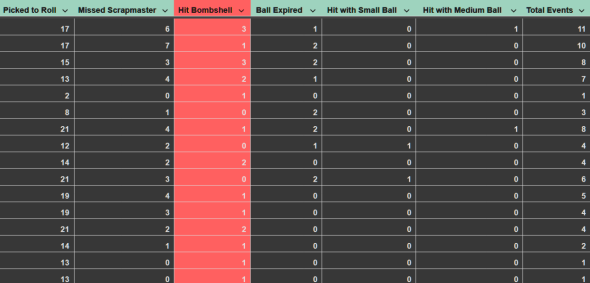
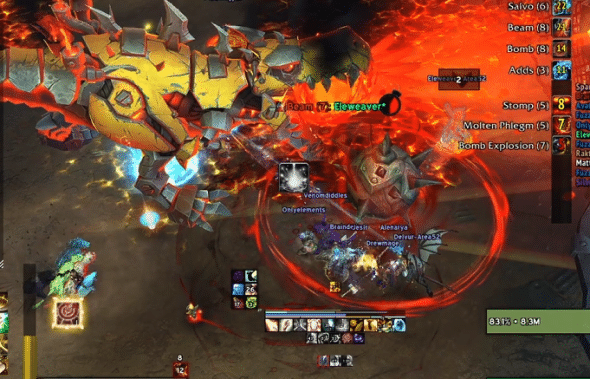
Behind the Scenes of Progression Raid Preparation

Progression raiding isn’t just showing up and pulling the boss until it dies. There’s an entire apparatus working behind the scenes, especially if you’re trying to clear content at a competitive level or with limited time each week.

I currently raid on two separate Mythic teams: Death Jesters and Last Call. DJs typically clears bosses earlier, so I get a front-row seat to all the chaotic pain points and key moments before taking it all back to Last Call.

It’s given me a pretty sweet vantage point from the leadership seat and from the player seat.

Here’s what real raid preparation looks like from both angles.

From the Leadership Perspective

As a raid leader, my job starts way before the raid does.

Scout the Encounter

Each week, I’ll review my own footage, either from our Death Jesters kills or select YouTube videos. DJ’s progression becomes valuable intel for Last Call. I can record our pulls and share edited clips or full kills with commentary. I use Warcraft Recorder extensively for this.

Tip
Before we pull a new boss, I’ll often do a live screen share on Discord with the team and narrate key moments from a boss kill video.
I fast-forward through the slower or easy phases and break down:

  • What to watch out for
  • Where people usually die
  • Where movement, positioning, and cooldowns must line up

This gives the team a better understanding of the flow of the fight and avoids info overload from a wall of text. They may not be able to experience it themselves, but it’s the second-best thing, as they can see what is supposed to happen. I find that doing so tends to shave off some of the pull count. However, the raid team still needs to be able to execute it.

Sharing Key Moments

In Discord, I maintain dedicated boss threads with:

  • Quick-hit video clips or screenshots
  • Critical phases or transitions
  • Key reminders (“Only the immune group is soaking”)

It’s open to everyone, though. I encourage the team to contribute and share their own class-specific videos, ask questions on how to handle certain mechanics, or Weak Auras that might be useful.

Tools & Planning

  • I use Viserios on Wowutils for early boss planning and cooldown organization.
  • I do prepare raid notes using Method Raid Tools to make sure all assignments are visible in-game for everyone.

Cooldown coverage? Already mapped for each boss.
Power Infusions? Pre-assigned.
Group splits and gaol duty on Mug’zee? Handled earlier in the week.

Building the Framework

Everything gets built ahead of time:

  • Defensive CD rotations (wish I could offload this more)
  • Interrupt assignments
  • Movement pairings or group stacks (like the ol’ big red rocket)
  • Loot Council decisions on key items

The goal is to remove decision-making points before the pull timer even starts. This is all stuff that can be done earlier in the week before the raid night. Just get it done ahead of time, and you can save it as a note in MRT ahead of time.

Same thing with loot drops.

You can select certain rare items and pre-decide who it will go to ahead of time like Mr. Pick Me Ups, or House of Cards, or Moxie Jugs. This does hinge on everyone submitting their WoW Audit lists ahead of time.

From the Raider Perspective

On the flipside, as a raider (especially in DJs), you’re expected to show up ready to go. That means preparation is non-negotiable.

Know the Mechanics (Really Know Them)

It’s not enough to kinda know the fight. Everyone should already understand:

  • When to throw bombs on Gallywix (and where)
  • How to drive trash balls on Stix
  • The correct taunt swaps as tanks
  • Sprocketmonger mine orders
  • When and where your personal defensive CDs should be committed (Sometimes we install them for players during key parts, but the rest of the time, they are free to use them)

Positional and Assignment Awareness

You should walk in knowing:

  • What group you’re in (or at least, what to do based on the group)
  • What platforms or Gaols you’re assigned to
  • Who you’re soaking or baiting bombs with
  • Where (and when) to stack or spread

And tanks, please don’t ask when to taunt during pull #4. Know it beforehand.

Role-Specific Preparation

If you’re a healer, tank, or utility-heavy DPS, watch class POV videos.

Know your role in the dance. Understand why your cooldown matters (like your Wind Rush Totems).

No one should be guessing what to do when the boss hits 40% and things get spicy.

My Thursday AotC raid group would often panic entering the last phase of Mug’zee with the Jail and Big Rocket overlaps because I didn’t do a good enough job preparing them, despite my efforts. I still have to figure out how to communicate information to the team in a way that makes it digestible and easy to manage, but I realize now that despite all the screenshots or video clips, experience still triumphs. Sometimes you have to put your finger in boiling hot water to know that it’s hot even though you can see steam coming out of it.

The Dual-Team Advantage

Here’s the real secret sauce: I get to see strats live with DJs, then optimize them for Last Call. Think of it as PTR testing with actual stakes.

Every time DJ wipes or pulls off a kill, I extract the lesson and convert it into something practical:

  • “We wiped because we didn’t rotate externals here.”
  • “You can actually ignore this mechanic with proper movement.”
  • “Save your knockback for this timing, not earlier.”

It’s a luxury not every raid leader gets, and it makes me better at both playing and planning.

Final Thoughts

Bosses don’t just die. We make them die.

Every pull is built on preparation:

  • Leaders set the stage with vision, structure, and clarity.
  • Raiders show up locked in, mechanically and mentally.

The better your prep, the fewer pulls it takes to kill the boss. That’s the magic of progression! The next step is to apply it to Sprocketmonger!

Is it worth practicing Mythic tactics on Heroic?

This comes up every so often when we’re working on a Heroic boss for the first time, especially early on during a raid season. Some smartass in raid makes the suggestion that we should plan and implement Mythic mechanics for abilities that may not exist on Heroic because it’ll help prepare us for it later on when we get there.

Is it actually worth it?

From an efficiency standpoint, the answer is mostly no. As a team, our goal in Heroic is to progress quickly, secure the gear, and then move on to Mythic at a fast pace. While practicing Mythic mechanics during Heroic encounters might seem like a good way to prepare, the reality is that Heroic often doesn’t provide the right conditions (or challenge) to make that stuff meaningful in any way.

The Disconnect Between Heroic and Mythic

Heroic encounters are designed to be more forgiving. It’s true that there are some movement patterns or group assignments that can carry over to Mythic. Unfortunately, many key differences make Heroic an unreliable training ground:

  • Missing Mechanics: Some Mythic-only mechanics fundamentally change how a fight plays out. Practicing without them can create bad habits or a false sense of security. Rik Reverb is a great example of this with the Sound Cannon.
  • Lower Damage and Healing Requirements: Heroic fights often don’t demand the same level of execution. Players might handle mechanics sloppily in Heroic and assume they’ll be fine on Mythic, only to struggle when the margin for error disappears.
  • Different Raid Comp Needs: Mythic encounters frequently require different raid compositions or specific utility that isn’t necessary in Heroic, making the experience less applicable.

When Does It Make Sense to Practice Mythic Tactics on Heroic?

That’s not to say Heroic has no value in preparing for Mythic. There are some cases where it can be helpful:

  • Refining Group Assignments: If Mythic requires specific positioning or assigned roles (such as soakers or debuff management), setting up those habits in Heroic can make the transition smoother.
  • Movement Practice: While some Mythic mechanics don’t exist in Heroic, movement-heavy fights can still be useful for practicing dodging patterns or positioning awareness.
  • Building Team Coordination: Heroic can be a low-pressure environment to practice communication and callouts before stepping into Mythic intensity.

The Risk of Overthinking It

Forcing Mythic strategies into Heroic can sometimes cause more harm than good. It can lead to unnecessary confusion, overcomplicating fights that should be quick clears. Worse, it might make players underestimate Mythic mechanics, assuming they’ve “seen it before” when in reality, they haven’t experienced them at full intensity.

Heroic is a stepping stone, but it isn’t a perfect simulation of Mythic. The best approach is to use it wisely. Practice what makes sense, but don’t waste time trying to force every Mythic detail into a Heroic fight. Efficiency matters, and the best preparation for Mythic is getting there as quickly as possible with a strong, well-geared team ready to take on the real challenge.

Matt’s Misplays: Communication and Coaching Moments!

I haven’t brought back this segment in a while, but I wanted to bring it back up. This was more of a funny moment for us on our road to Broodtwister this week. Can you guess what the most common issue from top to bottom, regardless of skill level, is when it comes to raiding teams? It’s a fundamental skill that impacts every player, no matter what type of role they play. It separates good players from great players.

Ah, the ol’ dreaded C word.

Communication!

In the clip above here on Mythic Broodtwister, watch the right side. We have two players on the diamond assigned to the same egg. The experimental dosage can deal with a lot of damage, and in mythic, two players are needed to break an egg (up from one player via normal or heroic). As you watch the clip, you’ll notice comically that one player tries to move away, and his partner follows them before they both almost double back and run out of time.

Thankfully, no one died in this play, but it happened because no one really said anything ahead of time. I stressed before, and I’ll continue saying it in the future, that players aren’t psychic. This tango could’ve been avoided had someone spoke up and said, “I’m staying, you go” or “Purple, go far side towards wall”. Just anything to state intention. I’ll tell my egg partner that I’m moving outside so they know they have a clean shot towards the inside (towards the boss).

In Broodtwister’s case, our leadership team also made it a big point to completely stress that the egg break is way more important than anything else. If you have to double stack, pop a personal and try to live it but those eggs have to break no matter what. Still, it was pretty funny!

Anyway, this is our Monday morning raid coaching point. When trying to resolve a mechanic with other players involved, say something! You all have microphones at this level (at least, one of you).

Signs of an At-Risk Trial Raider and How to Address Them

I know firsthand how exciting and challenging (and annoying) recruiting raiders for your team can be. Every new player that comes in brings potential, but not every trial is going to be able to integrate into the team. Sure they’ve passed the initial sniff test they’ve answered the right questions, but now those players have to live up to those expectations that have been set. Recognizing when a recruit is at risk of failing their trial period and knowing how to address that situation is super important for maintaining a strong, progressed raid team.

Some of the biggest mistakes I’ve made when I was a GM (or as an officer) is not doing anything about the new trials that I felt weren’t fit, but I had to keep them around because the raid team as a whole didn’t have enough players to help go through a raid night. This would lead to feelings of resentment from more senior members of the team because they felt lacklustre trials weren’t really contributing to the progression or, worse, actively hampering any farm clears and slowing us down. If I could do it again, I would be more aggressive in identifying and making a more concerted effort to look for ways to help with improvement or at least open up communication with them.

Today, I want to explore some of the signs that a recruit may be struggling and offer up some pointers for addressing at-risk trial players.

Recognizing the Signs

Really, the first step that has to happen is actually identifying the member who is at risk of failing their trial or losing interest. These are some of the common indicators to watch for:

1. Inconsistent Attendance

If they don’t show up without saying anything, that’s usually a pretty good sign. A trial member who misses raids without prior notice or valid reasons might be struggling with commitment levels and realizing they can’t actually sustain the schedule they were hoping for. Consistency is key in a raiding guild (especially a CE one like ours), and frequent absences can disrupt the team’s progress and cohesion. We usually cut after 2 non-appearances and with no messaging from the player.

2. Performance Issues

While it’s true that everyone has an off night, consistent performance issues are another big sign. This includes not following mechanics, uncharacteristically low output (DPS or healing), and a failure to learn from mistakes. If a trial member repeatedly struggles despite feedback and guidance, it might just be a lack of effort or understanding. This is players not making that hustle to get to the stack point with everyone else, or getting their own debuff out of the raid before it detonates. It could also be someone resisting being a team player and not selecting talents or loading in a build that’s simply not ideal for the encounter. Going multi-target to help clear out ads when single target is what’s requested doesn’t help the raid get through those damage checkpoints.

3. Failure to Complete Required Mythic+ Dungeons

Mythic+ dungeons are absolutely important for character progression and meeting raid standards. At DJ’s, once we start extending raids, these are going to be the only sources of upgrades that players will be able to get (especially from their vaults). A trial member who neglects to complete the required key dungeons as outlined by the guild is going to be at risk of falling behind. Not participating is going to stall both their individual progress and the guild’s overall performance. It also demonstrates a lack of interest (in the game or the raid). We’re a CE guild, and we’re mandated to run at least 4 high keys a week. That’s not an impossible request, and it’s balanced around the expectation that players have other obligations (families, careers, hobbies, walking their pandas, etc).

4. Lack of Engagement

By itself, this isn’t a significant clue. A trial member who is not engaged in guild activities beyond raids might be losing interest. There should be some level of participation in guild chat, forums, or Discord discussions. Just being involved and engaging often builds a good impression of a member’s commitment and enthusiasm for the guild. At the same time, some players just don’t have that kind of social battery and shouldn’t be expected to be “on” all the time.

5. Lack of Communication

Effective communication is essential in a raiding guild. A trial member who rarely communicates with raid leaders or fails to respond to direct messages and discussions concerning them can be problematic. This might honestly mean a poor fit within the raid dynamic. We’ll try to reach out to new players from time to time to check in with them, and sometimes it isn’t really reciprocated.

6. Negative Attitude

Yeah, this one’s a biggie. Any trial member exhibiting a negative attitude or causing drama within the team is a problem and warrants a fast response. This might include being overly critical of someone else on the team, resistant to feedback from another player, creating conflict, or just being crazy defensive for no reason. There’s a right time and a right place for everything, including raid feedback.

7. Slow Improvement

While everyone learns at different paces, a trial member who shows little to no improvement over time, despite coaching and feedback, may not be a good fit. We are a CE guild, and our expectations are that players learn and adapt not just to their own mistakes but those of others. Progression raiding requires adaptability and growth. Lacking either of those isn’t going to lead to a solid finish.

Handling an At-Risk Trial Member

Have you figured out if someone is struggling? Next step is to figure out exactly how to handle it. You want to find ways to help them out but you also need to recognize when to cut your losses and let the player go if they’re not playing up to the level they need to.

1. Open Communication

Start an honest conversation with the player. Talk about some of the observed issues and provide specific examples. If you can use log replays or Warcraft Recorder clips to help demonstrate it, that can bolster your case. Work on your tone and make sure it’s constructive, focusing on their potential for improvement rather than just pointing out flaws (or everything that’s wrong with them). This can help the player understand the areas where they have to get better.

2. Provide Constructive Feedback

Give them feedback and actionable steps for improvement. Whether it’s specific mechanics they need to focus on (like less deaths to a key mechanic), DPS rotations, or positioning, clear guidance can help them know exactly what is expected. Give them resources like guides or videos to help their learning. Pair them up with someone in raid of a similar (or identical) class that they can learn from.

3. Set Clear Expectations

Reinforce and reiterate the expectations regarding performance, attendance, and behaviour. Make sure the trial member understands what is required to pass the trial. If you’re able to set clear, measurable goals, it’ll help both parties track progress.

4. Offer Support and Mentorship

Assign a mentor or buddy from the team to support the trial member. This can provide a more personalized approach to their improvement and help them feel more integrated into the guild. Regular check-ins with the mentor can offer ongoing guidance and encouragement. In DJs, we do our best to assign every new trial player a buddy (or a mentor) that’ll check in on them and help show them the ropes. Things like where to find the roster for the week, point the way where required WeakAuras are and answer any questions they might have.

They’re basically a Pokemon for the veteran raider.

5. Evaluate Progress

Monitor and assess the trial member’s progress over a set period. Are they showing improvement in the areas discussed? Are they more engaged and consistent? Regular evaluations can help determine if they are on the right track. Keep the feedback going as well. We have private Discord channels for each trial player where everyone on the team can provide observations (both positive and negative) about them along with how interactions have been.

6. Make a Decision

If, despite all efforts, the trial member is not meeting expectations, it’s time to consider letting them go. Approach this decision with empathy and professionalism. Thank them for their time and effort, and provide honest feedback on why they didn’t pass the trial. It’s important to maintain a positive and respectful atmosphere, even during difficult decisions. Sometimes a no means a not yet, and the player just needs to develop and gain more raid experience, whether it’s in another raid team that’s catered towards their skill level to allow them time to grow. After all, not every raid team is right for every player.

At-risk trial members in a raid guild require a careful balance of support and evaluation. Recognizing the signs early, providing constructive feedback, and offering mentorship can help struggling recruits improve and integrate into the team. However, knowing when to cut losses and let a player go is equally important for maintaining a strong, cohesive raid team. By handling these situations with transparency and empathy, you can ensure the long-term success and harmony of your guild.

Anxiety in Tanking and Healing Mythic Dungeons

Happy Wednesday and I hope you all had productive vaults this week! My Priest has gone dark and heavy on Shadow and DPS gear for the first week (up to 503 ilvl now). I was able to 2 chest a +10 with some guildies and stocked up some 8s. As a raid team, we completely cleared out normal and heroic before finishing out with 3 bosses in Mythic (Terros defeated). This week, we’ll be revisiting Aberrus.

I have a story here about a recent tank applicant to Death Jesters. On paper, the player looked like a fit. Their logs were on target, the defensive usage lined up, and it didn’t seem like there were many mechanical issues until I came across the below (Paraphrased):

“I’ve always found Mythic Plus content challenging and it tends to make me quite anxious, as it’s not my main focus in the game. My primary objective for this fated tier is to improve in this area. While this issue hasn’t impacted my performance in raid progression—I make sure not to be the weak link—it has caused some tension in previous guilds. I’m actively working to overcome this, though I expect it will take a bit of time. Fortunately, the fated tier presents a good opportunity for this.”

This admission does highlight a common feeling among players, especially tanks and healers, in the opening weeks of a new tier. Heck, this level of anxiety is even more pronounced during patches that introduce new dungeon content, where players have to learn new routes and strategies for handling enemies (and whatever abilities that might wipe the party). While this tier is already familiar to many of us with revisiting previous dungeons, the challenge of re-learning still looms, although that’s been mitigated by the various nerfs and tuning changes (Season 1 Ruby Life Pools was a nightmare).

However, avoiding Mythic Plus dungeons in the early stages is unacceptable at the Cutting Edge (CE) Progression or even a mid-level mythic raiding guild. Tanks are expected to step into these keys from the get-go. This early dungeon running is crucial not only for personal gearing but also for the success of the entire team. In guilds like ours, the majority of loot is allocated to favour DPS players, meaning that tanks and healers have to obtain upgrades predominantly from dungeons to supplement the raid.

As a tank within a raid team, one assumes the role akin to Atlas—a Titan doomed to bear the weight of the world on his shoulders. Like Atlas, tanks have that responsibility and must be both resilient and proactive in ensuring that all team members complete their keys with minimal reliance on outside players (pugging). Some players may have friends or other communities they can tap into, but others might be reluctant or unable to do so, requiring help from guild tanks and guild groups to step in and help with a smoother key experience.

With us, our tank expectations are clear — Step into mythic raid content feasibly early while simultaneously supporting the team’s collective needs. A tank that just logs in to update their gear and achieve our dungeon minimums before disappearing just barely meets the guild’s standards. Tanks are just such a bottleneck role at the start. We have a few healers and other DPS that are diversifying and collecting tank pieces to help address that and add more variability to schedules (and their goal isn’t to push high, but to get to a point where +8’s are reasonably comfortable). The role demands extensive involvement, a commitment to team progression, and an unyielding dedication to overcoming personal and collective challenges. I can certainly understand and sympathize the level of anxiety for pushing keys beyond the 10 (or even the 8 range) early on. I feel the same way. I did not feel confident at all healing anything past 8, that’s why I decided to give Shadow a go and get healing gear that way to help be available for raid needs.

Symptoms and Addressing Tank or Healer Anxiety

Anxiety experienced by tanks and healers can come about in different ways. This includes hesitation to join groups, fear of criticism, performance stress, and making decisions under pressure. This anxiety not only diminishes personal enjoyment but can also impact team dynamics and success. Tanks are also the ones dictating the pace of the dungeon (since they’re the ones tackling pulls). Is it time for a big monster pull? Go slower, and steadier at 1 or 2 pulls at a time? Are there DPS cooldowns up and available?

Our tank takes preparation to a bit of an extreme with this multi-monitor setup

Addressing these issues would take multiple approaches (and this list isn’t exhaustive either):

  • Education and Preparation: Knowledge of dungeon layouts, boss mechanics, and optimal strategies can ease some of the uncertainties that fuel anxiety.
  • Communication: Talking it out with the party can foster a supportive environment where fears can be shared and addressed collectively. Before big pulls, I’ll try to remind the team of key interrupts or things that can smoke the party if left unchecked. Tanks can call for personals or any extra externals (“Gotta kite, drop an Earthbind!”).
  • Incremental Progression: Slowly increasing the difficulty of dungeons can help build confidence in a controlled and manageable manner (I started from 4s and worked my way up).

Lastly, it also helps to play with people you know and trust who are familiar with each other.

If the root causes of anxiety can be addressed, raid teams can ensure that all members — regardless of their role — feel both competent and confident in their abilities to face the challenges of Mythic+ dungeons. It helps ensure that the game remains a fun and rewarding experience for everyone involved. The best step might be to join a more relaxed, less focused raid team to start where the pressure of grinding all those keys isn’t a factor. A competitive CE raid team isn’t the best environment to help properly support a player like that from the start. It’s not an easy journey, but it’s not impossible to work through and help control.

Anyway, back to Aberrus this week! If you’re looking for a raid team for Season 4 and the next expansion, come check us out! We’re looking for a Mistweaver Monk, assorted range DPS, and another tank!